Tax Relief Company Red Flags: 12 Warning Signs to Avoid
Not all tax relief companies are legitimate. Learn the 12 warning signs — from guaranteed outcomes to percentage-based fees — that mark a firm to avoid.
 Anthony Cole
Not all tax relief companies are legitimate. Learn the 12 warning signs — from guaranteed outcomes to percentage-based fees — that mark a firm to avoid.

Many states let you settle tax debt for less than you owe — but their rules differ sharply from the IRS version. Learn how state OIC programs work and how to build a winning application.

Need help with tax debt? Learn how to vet tax relief companies: credentials to verify, fee structures that are fair, and the questions that expose bad actors.
State penalties can double a tax bill — but most states offer relief. Learn first-time abatement equivalents, reasonable cause arguments, and how to ask effectively.

One clean history, one phone call, thousands in penalties waived. First-time penalty abatement is the IRS’s best-kept open secret — here’s how to use it.

The IRS punishes not filing far more harshly than not paying. Compare the two penalties rate by rate — and learn why filing on time matters even when you can’t pay.
Penalties can add 25% or more to your tax bill — but the IRS removes them more often than people think. Learn the three paths to penalty abatement.
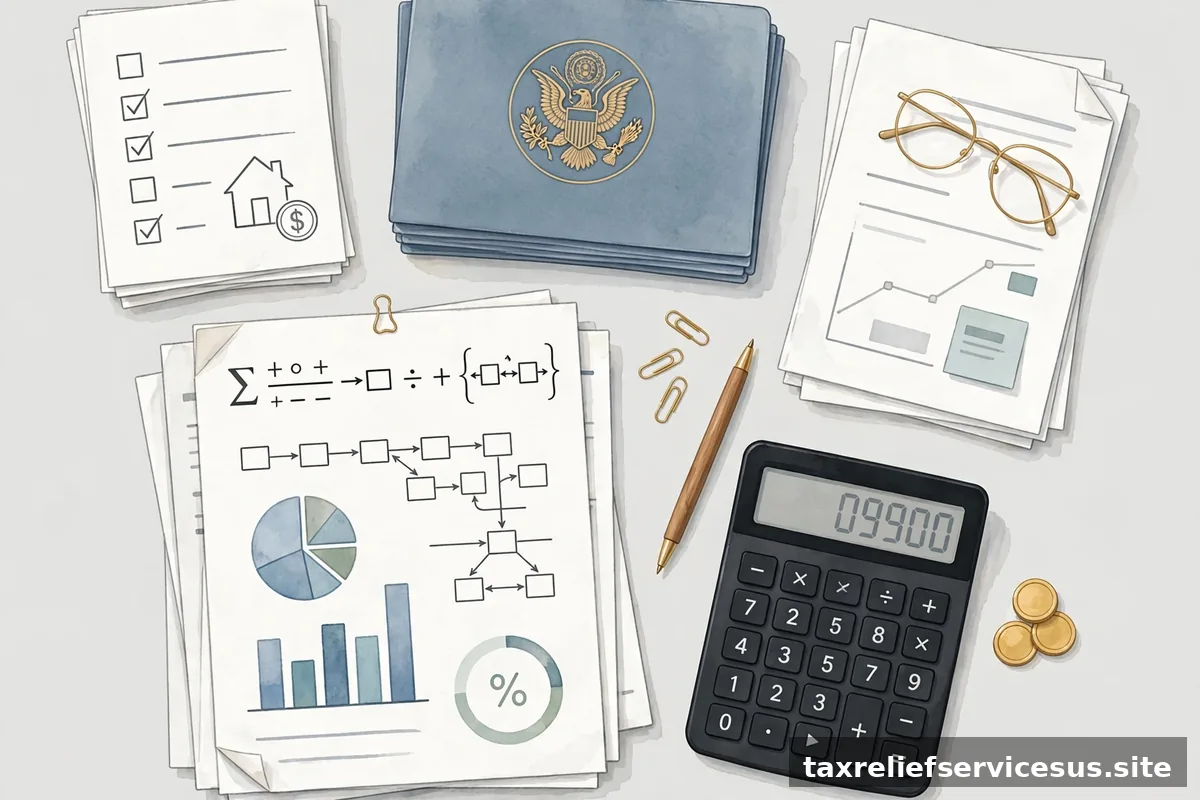
The IRS doesn’t pull your offer amount out of thin air — it uses a formula called reasonable collection potential. Here’s the math, step by step.
Before you pay an application fee, run through the three eligibility tests the IRS actually uses for offers in compromise — and the disqualifiers that stop applications cold.

An offer in compromise lets you settle IRS tax debt for less than you owe — if you qualify. Learn how the program really works and who it fits.